
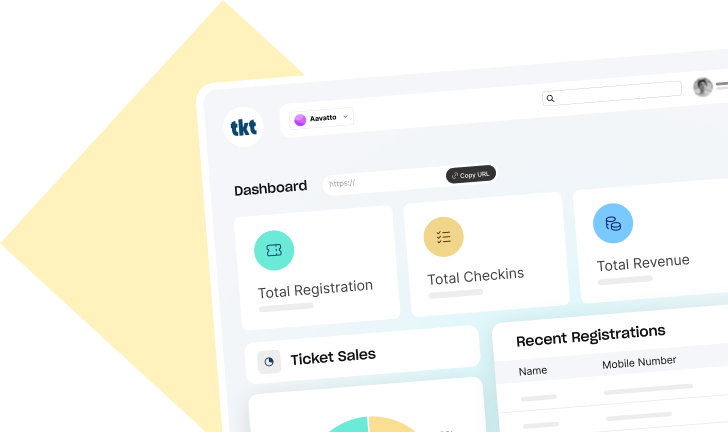






ERPNext Implementation
Leverage custom-fit ERPNext Implementation Services addressing your operational workflows, business dynamics, and growth trajectory. At Aavatto, we implement ERPNext by prioritizing your operational needs and configuring the system to help processes and workflows streamline seamlessly without a learning curve or adjustments.
Our Valuable Clients

































Why ERPNext?
ERPNext is widely preferred to help enterprises granual-level control over their internal systems, speeding up implemetation while consuming fewerresources.

Competitive time & resource savings
Why Do Some ERPNext Implementations Fail?
Where ERPNext fails, the responsibility mostly goes to the ERPNext Setup & Configuration decisions taken without business processes and challenges in mind. Absence of business-specific customization and configuration planning makes some ERPNext implementations fail.
Custom modules built without considering actual scenarios
Incomplete, inconsistent, or inaccurate data migration
Rapidly scripted and not adequately tested programs
Adding new workflows that conflict with the existing ones
Underestimating the learning curve for the new workflows
Under-optimized or inaccurate documentation
Modules We Implement
We build foolproof custom modules for all industry verticals.
Accounting & Finance
- Accounting structure, taxes, invoicing, bank reconciliation, and reports.
Inventory, Warehousing & Stock
- Warehouse setup, batch tracking, serial numbers, and stock movement.
Manufacturing
- Bills of material, work orders, routing, production planning, and WIP tracking.
CRM & Sales
- Lead management through quotation, sales order, and delivery stages.
HRMS
- Attendance tracking, payroll processing, leave handling, and shifts.
Projects & Timesheets
- Projects, task tracking, cost allocation, and time entries.
Purchasing
- Supplier records, purchase orders, goods receipts, and purchase invoices.
POS & Retail
- Billing, stock synchronization, pricing rules, and discounts.
Make the Most of ERPNext with Our Custom Implementation Expertise
Industries We Cater To
Over the years, the impact that we made with our ERPNext go-live services and custom implementation, can be testified by enterprises across industries.
Manufacturing
From BOM management to shop floor tracking, as a Custom ERPNext Implementation Partner, we help manufacturers with modules for real-time visibility into production costs, material consumption, and machine utilization.
E-commerce, Retail and Distribution
Multi-channel selling needs real-time inventory data flow. We create custom modules to connect stock, POS, and order management to your storefronts and marketplaces, keeping all data points in sync across channels..
Service-Based Companies
Whether you are billing by the hour, the project, or the retainer, we tailor ERPNext's project and timesheet tools with custom tweaks to help your service business track deliverables, log billable hours, and invoice accurately.
D2C Brands
With fast-moving D2C brands, where financials and fulfillment need to keep pace with demand spikes, we configure ERPNext to handle order-to-cash cycles, returns, and multi-warehouse stock.
FMCG and Food Processing
In the FMCG industry, where batch tracking, expiry management, and recipe-based BOMs are non-negotiable, we implement ERPNext for end-to-end traceability and shelf-life monitoring.
Supply Chain & Logistics
In the supply chain and logistics sector where procurement, warehousing, and transportation are key cost drivers, we implement ERPNext's supply chain modules to track shipments, manage multi-location inventory, and flag bottlenecks.
Customization vs Standard Modules : Our Approach to Make the Best of Both
Some of the solution parts require only a few tweaks, while some need overall customization, and there are still the ones that can be best addressed by the out-of-the-box modules.
Standard Modules
This approach is good for ERPNext modules that work seamlessly with some processes.
Customization
Customization is ideal when standard modules underperform or consume excessive effort.
Generate
We build new apps using Frappe when the core modules of ERPNext fall short of expectations.
Common Customizations We Offer
Everything is engineered to be maintainable, upgrade-friendly, and future-proof.
Extra fields and forms
Custom DocTypes
Validation logic
Approval rules
Notification triggers
Print formats
Permission controls
System integrations
MIS reporting
Server-side & client-side scripts
Integrations We Support
ERPNext supports integrations for a lot of commonly used platforms alongside others.
Shopify and WooCommerce
Razorpay, Stripe, PayPal
WhatsApp and SMS services
Delhivery and Shiprocket
BI tools
Accounting systems
What Does ERPNext Implementation Typically Cost?
A straightforward single-entity ERPNext implementation typically runs ₹1-3 lakh. Multi-module or multi-location rollouts with heavier customization — multiple warehouses, complex approval workflows, deep integrations — typically run ₹3-6 lakh or more.The exact number depends on which modules you need, how much customization your workflows require, and how much data needs migrating from your current system.
Our Implementation Approach
As the leading ERPNext implementation company in India, we follow a systematic step-by-step approach to ensure optimum stability and future-proof performance.
Understanding and review
We take a closer look at how the business handles tasks, processes, and exceptions, and try to understand the typical workflows that work best for the company.
Requirement Analysis
We go deeper into the requirements and consider the ones already covered, the ones requiring just a few adjustments, and the bigger ones needing custom applications.
Configuration
At this stage, we set up the system by defining and creating permissions, roles, workflows, tax rules, compliance norms, warehouses, and salary structures.
Customization
We customize any module that is not fully equipped to address the workflow requirements for that particular process.
Data Migration
From legacy systems, we transfer all business data to the new ERPNext system, ensuring optimum data safety.
Integrations
Wherever the enterprise had mission-critical dependencies on external services, we built and configured integrations.
Training & UAT
Before deploying the solution from staging to actual systems, we train internal teams across different real use case scenarios.
Deployment
We deploy the solution, check for any immediate performance or usage issues, and make changes accordingly.
Ongoing Support
Our post-deployment support continues, and we take care of all the issues, improvement requirements, and updates in the pipeline.

Real Results from Real Clients
Explore how we've helped businesses overcome challenges, streamline operations, and drive growth through innovative technology solutions that deliver measurable results.
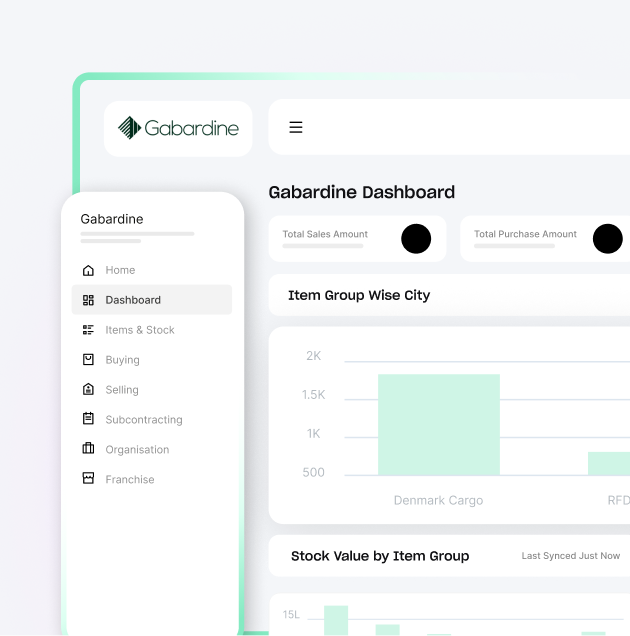
Apparel Manufacturing & eCommerce Management System
Disconnected Excel sheets and Tally made inventory, production, and order management slow, error-prone, and difficult to monitor.
Implemented a unified ERPNext system to streamline manufacturing, inventory, sales, procurement, and order fulfillment from one platform.
Faster Order Processing
Inventory Accuracy
Reduction in Manual Work
Implementation Timeline
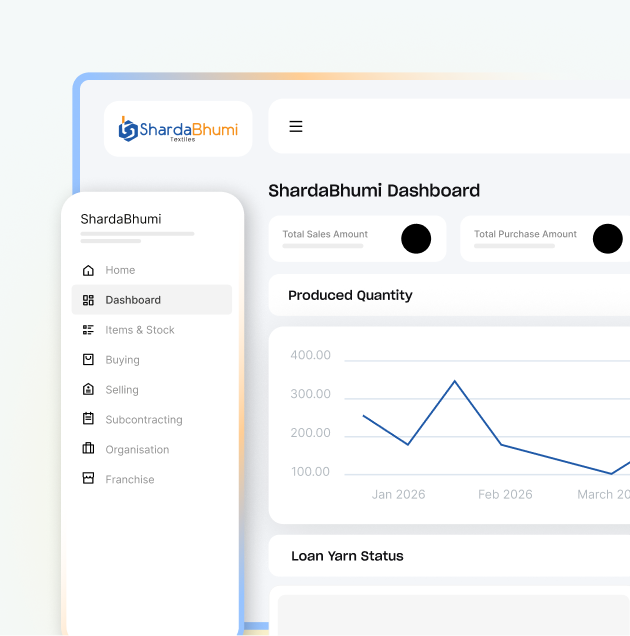
ERPNext Implementation for Textile Manufacturing & Supply Chain Management
Managing production, inventory, procurement, and dispatch through spreadsheets and Tally caused delays and limited operational visibility.
Deployed ERPNext to centralize textile manufacturing, inventory, procurement, sales, and dispatch into a single integrated platform.
Faster Production Planning
Inventory Accuracy
Reduction in Order Processing Time
Implementation Timeline
Frequently Asked Questions
How long does ERPNext implementation take?
Small setups usually take 4 to 6 weeks. Larger implementations take 8 to 16 weeks. Complex environments may take longer.
What is needed before starting?
Basic process understanding, master data, and department contacts. Remaining gaps are addressed during the project.
Is customization always required?
No. Many implementations rely mostly on standard ERPNext functionality.
Can ERPNext replace accounting tools like Tally?
Yes, the accounting module of ERPNext delivers all accounting features you need, starting from ledgers to taxation to reporting.
What happens when ERPNext is deemed to be not usable by a particular business?
Well, we can make it work for you by reconfiguring the whole setup or by customizing a few modules, or by building new custom apps.
Do you guarantee providing ongoing support?
Yes, we continue to offer support throughout the solution lifecycle and it is a core part of the ERPNext services we offer.
How much does ERPNext implementation cost?
A straightforward single-entity implementation typically runs ₹1-3 lakh; multi-module or multi-location rollouts with heavier customization run ₹3-6 lakh or more. See our full cost breakdown for what drives where you land in that range.
Have a Project in Mind?
This can be a new journey !