
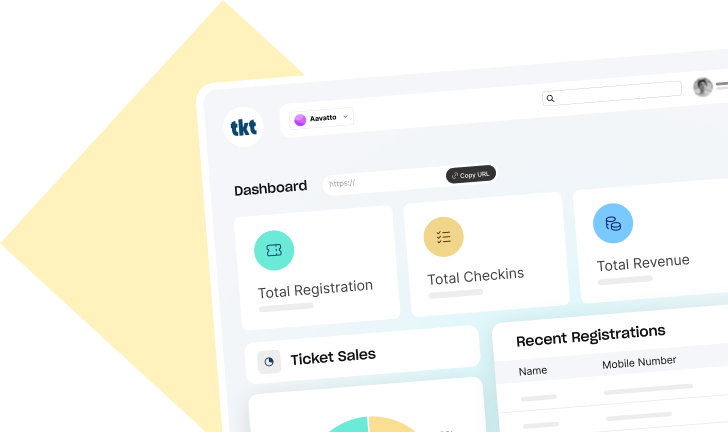






Integrations & API Development
With custom ERPNext integration services and third-party API development, we help businesses to consolidate and customize their dispersed systems into a single ERPNext ecosystem, tailored for their business operations. We help you link ERPNext and Frappe with all your legacy systems and orchestrate multiple business processes seamlessly through a consolidated system.
Our Valuable Clients

































Custom API Development
When prebuilt connectors are not enough, we create ERPNext third-party integrations from scratch. We handle everything required for integrations such as REST APIs, webhooks, custom endpoints, push and pull integrations.

Custom endpoints
Scheduled jobs
Why Integrations Matter
Reduce manual workload
Through custom integrations, you can reduce the manual workload and streamline tasks faster.
Reduce data errors
Through interconnected systems, data flows seamlessly reducing the scope of manual errors drastically.
Automate workflows
Thanks to tailored integrations and resulting inter-connectivity, you can automate most of the workflows.
High-level visibility
The leadership team can easily get access to real-time data and see workflows through a connected system.
Seamless scalability
As the business grows, the capability of a connected system can adapt without adding new resources.
What We Integrate
We integrate the tools and legacy systems your business is already using, through existing APIs or through ERPNext API development.
eCommerce Platforms
- Shopify, WooCommerce, Magento, and custom stores
- Integrations to sync products, stock, and orders
- Integrations to generate invoices & delivery notes automatically.
- Tools for real-time inventory updates
- A single dashboard to keep track of everything

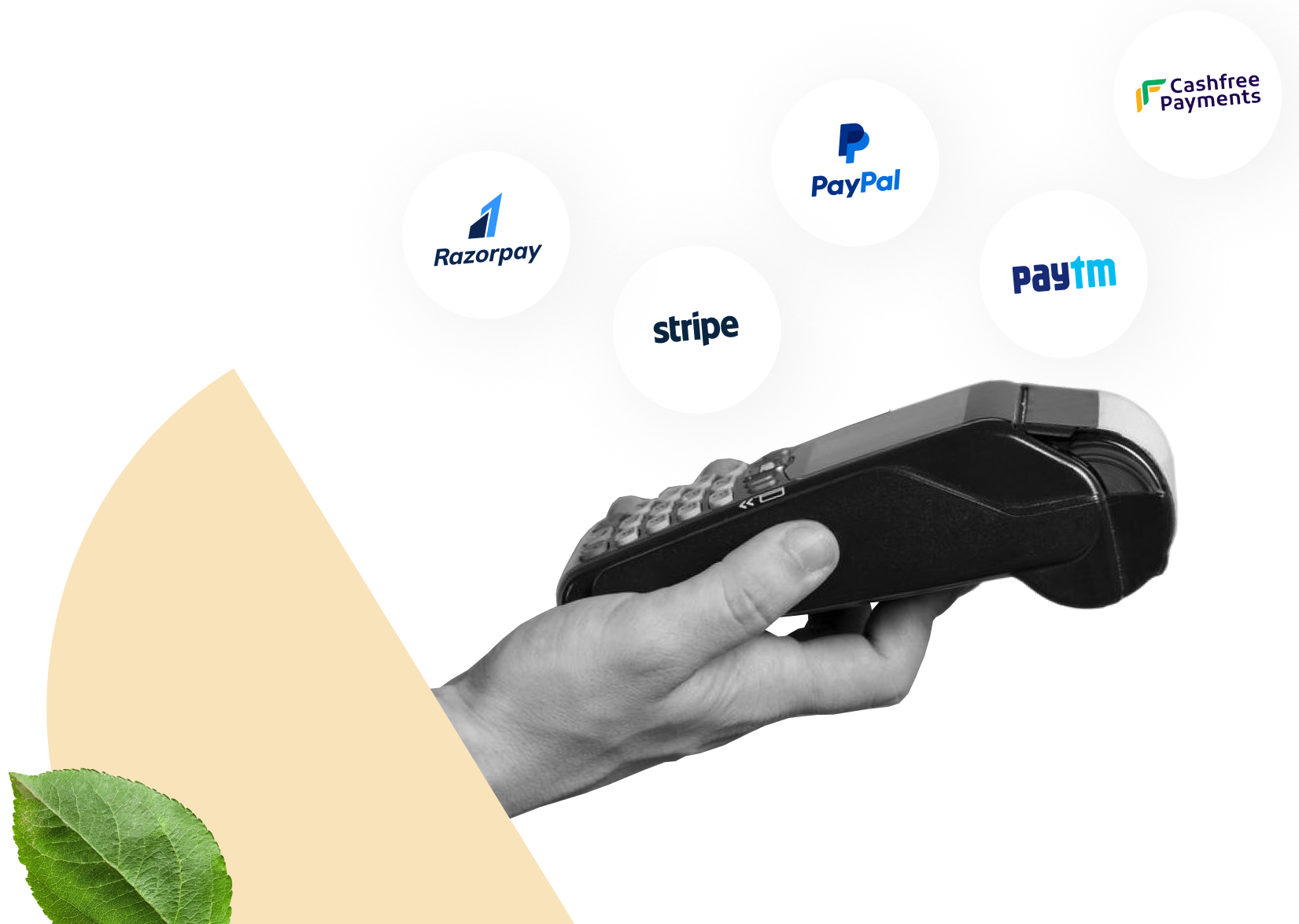
Payment Gateways
- Razorpay, Stripe, PayPal, Paytm, Cashfree & others
- Integrations for automated payment sync & reconciliation
- A tool for on-demand payment link generation
- A single tool to track all transactions
Logistics & Shipping
- Shiprocket, Delhivery, Bluedart, DHL, FedEx, & others
- Automated label creation & data syncing
- Live delivery updates & automated dispatch flows

Communication Tools
- WhatsApp API, SMS, email, & chat apps
- Tools for automated notification & OTPs
- Automated quotation & document sharing
- Central communication logs to help with monitoring

Accounting & Finance
- Tally, QuickBooks, Zoho Books, Xero & others
- Automated invoice and payment syncing
- Automated payment reconciliation for error-free ledgers
- A dashboard for all financials

Internal or Legacy Systems
- Integrations to automate workflows
- APIs to sync legacy ERPs
- APIs to connect third-party tools
- Establishing custom syncing protocols
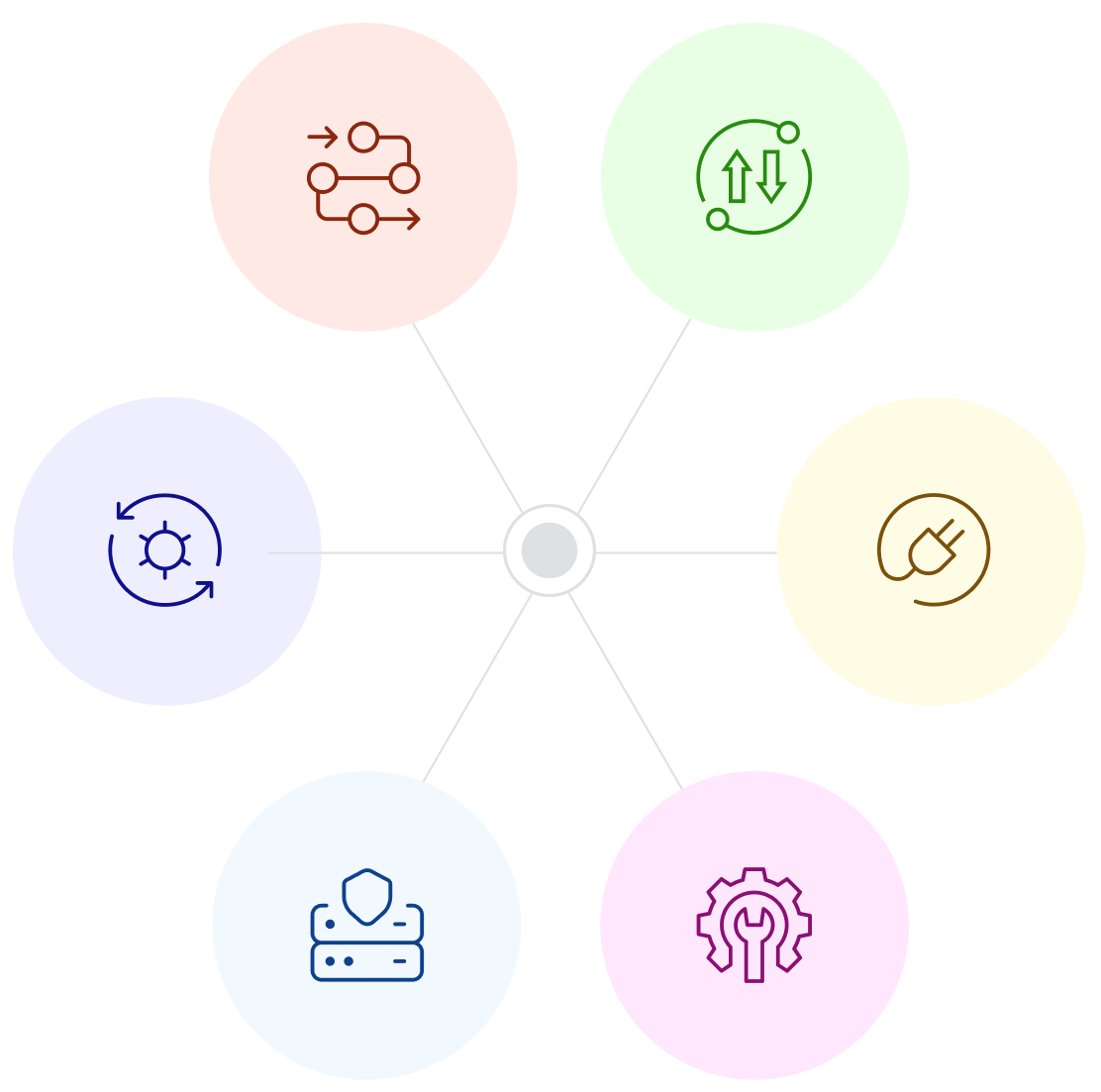
Marketplaces & Order Channels
- Amazon, Flipkart, & other omni-channel platforms
- Automatically syncing orders, stocks & delivery notes
- A single dashboard to manage multiple channels
Connect Your Business Tools Seamlessly
How We Do Integrations
A clean, reliable integration flow that maps your data, designs the right architecture, builds secure sync logic, tests thoroughly, and deploys with continuous monitoring.
Understand your systems
We see what data moves, how often, and under what rules.
Review APIs
We review the APIs, check their limits, when they fail & ways to fix them.
Design the flow
We design end-to-end user flow covering triggers, schedules, validations, error handling, alerts, and everything.
Build it
Finally we build the integrations by leveraging clean and flexible logic that allow easy updates.
Test thoroughly
We test the integrations in real-life contexts, in marginal cases, and check for any shortcoming that slipped in the process.
Deploy and monitor
Finally, we deploy the integrations and follow best maintenance practices with Logs, alerts, retries, and continuous checks.

Integration Architecture
We design the ERPNext and Frappe API integration architecture based on the existing systems and tools, operational workflows, security vulnerabilities, and future scalability needs of the organization.
Secure API tokens & headers
Queue-based processing for high-volume data
Webhook listeners for real-time sync
Background jobs for scheduled tasks
Logging & monitoring dashboards
Who Benefits the Most
Any business handling multiple systems will experience immediate impact from custom and third-party integrations, tailored for their workflows.
D2C brands
Retail & distribution
Manufacturing
FMCG brands
Logistics businesses
Multi-channel
eCommerce sellers
Real Results from Real Clients
Explore how we've helped businesses overcome challenges, streamline operations, and drive growth through innovative technology solutions that deliver measurable results.
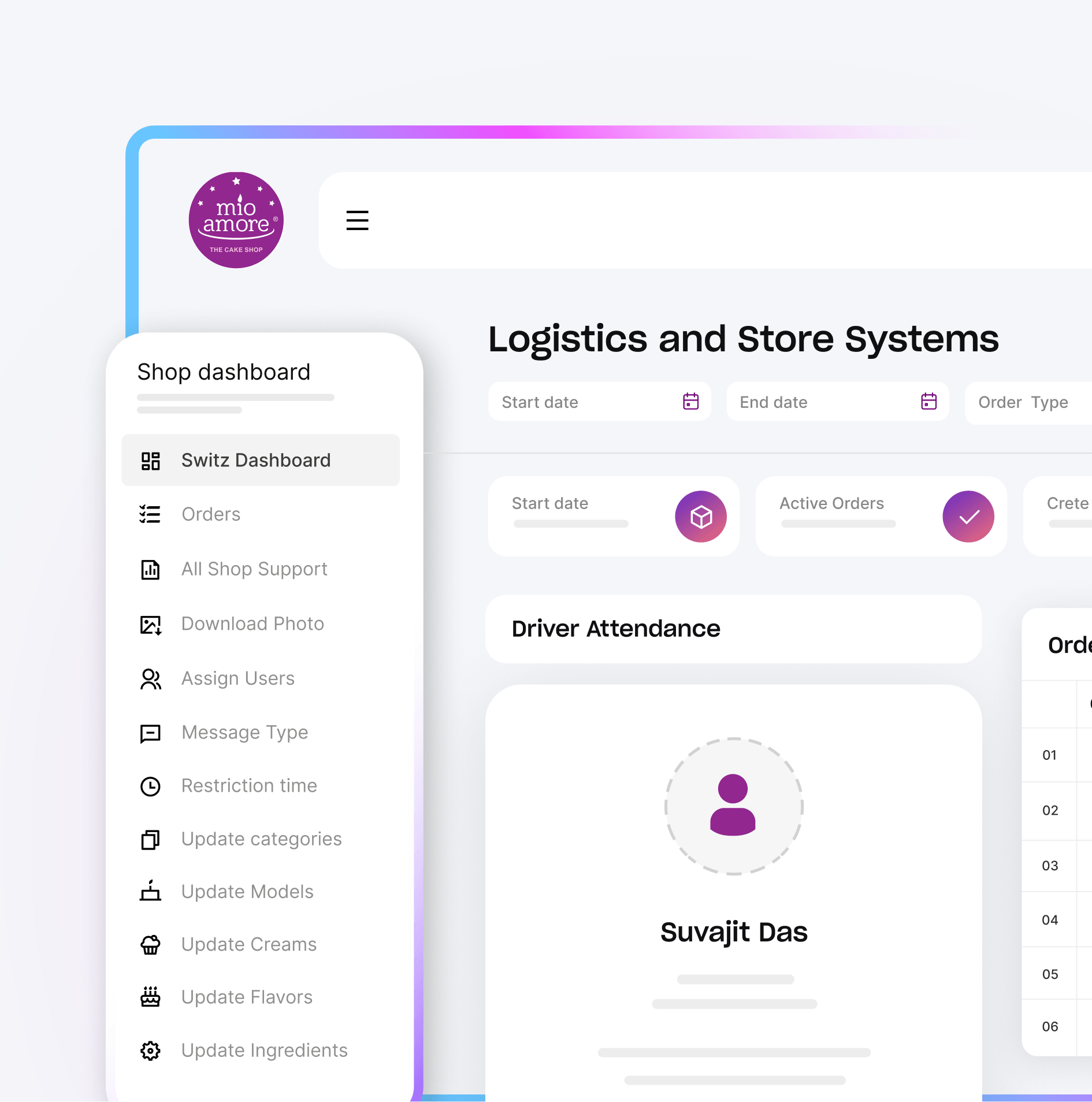
Microsoft Dynamics + Logistics System Integration
Managing Microsoft Dynamics 365, FleetConnect, and POS independently created manual work, delayed updates, and inconsistent business data across operations.
Built a secure integration platform that connected Microsoft Dynamics 365, FleetConnect, POS, and Frappe applications with automated real-time data synchronization.
Microsoft Dynamics, FleetConnect, POS & Frappe connected
Manual Data Synchronization Eliminated
Enterprise Integrations Implemented
Orders, Inventory & Dispatch Synced
Frequently Asked Questions
Can ERPNext integrate with any system?
Yes, as long as APIs or import/export options exist.
How reliable are integrations?
Retry logic, queues, and logs handle temporary failures.
Do integrations slow down ERPNext?
No. Heavy processes run in the background.
Can multiple systems be integrated together?
Yes. eCommerce, accounting, logistics, messaging, payments—all in one workflow.
What if an API changes?
We update the integration as needed.
Do you build middleware?
Yes. Custom Frappe apps act as middleware for complex setups.
Will integrations break during ERPNext updates?
Not if built correctly — we use update-safe patterns.
How long does integration take?
Simple: 2–4 weeks.
Complex multi-system: 8–12 weeks or more.
Have a Project in Mind?
This can be a new journey !