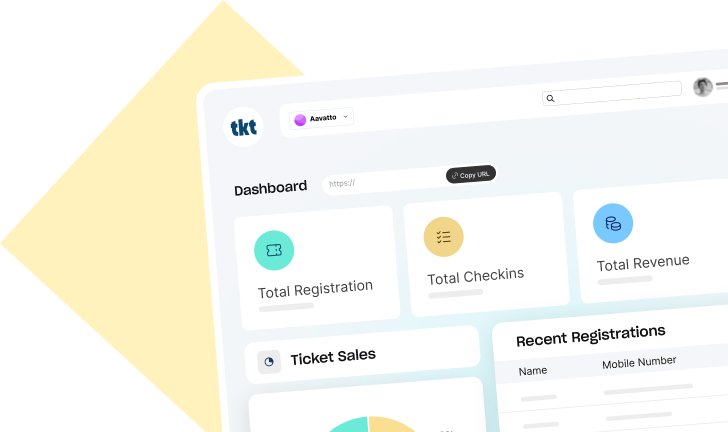




This custom Frappe app case study covers a D2C food brand that replaced a patchwork of order-management and logistics tools with one custom Frappe application, integrated with Microsoft Dynamics 365, running ordering, production planning, dispatch, returns, and reporting as a single connected system instead of separate disconnected tools.
If you’re evaluating whether a custom Frappe build can actually handle your business rather than force it into a generic template, this is what that looks like in practice — using Aavatto’s work with Mio Amore, a D2C food brand, as the example.
The Problem: A Food Brand's Workflow Doesn't Fit an Off-the-Shelf Order System
Most e-commerce platforms and generic ERP modules are built around a simple assumption: a customer places an order, a warehouse picks it, a courier ships it. That model works reasonably well for a lot of D2C businesses. It breaks down for a food brand where the order, the kitchen or production schedule, the dispatch route, and the delivery driver are all tightly coupled and time-sensitive — a delay in production planning cascades directly into a missed dispatch window, which cascades into a customer getting stale or late product.
Standard ERPNext modules, or a bolt-on e-commerce plugin connected loosely to a back-office system, can technically move data between steps. What they can’t do well is reflect a workflow where ordering, production, dispatch, driver assignment, and returns all need to talk to each other in near real time, with visibility for different teams at each stage. That gap — not a missing feature checkbox, but a structural mismatch between the tool and the workflow — is what pushed this project toward custom development instead of configuration.
What Aavatto Built: Seven Connected Applications, One System
the customer- and staff-facing side of order capture, functioning as the core of the Frappe D2C ordering system that feeds everything downstream.
schedules and tracks what needs to be made, tied directly to incoming order volume rather than a static forecast.
plans and sequences outbound deliveries based on what's ready and where it needs to go.
gives delivery staff a focused interface for their assigned routes and delivery confirmations.
the operational control layer for staff managing exceptions, adjustments, and oversight across the other apps.
supports the commercial side of the business without duplicating order data that already lives in Ordering.
round out the suite, covering gate/access control and point-of-sale or storefront functions specific to the client's physical and retail operations.
Why This Matters If Your Business Has Workflows Standard ERPNext Doesn't Cover
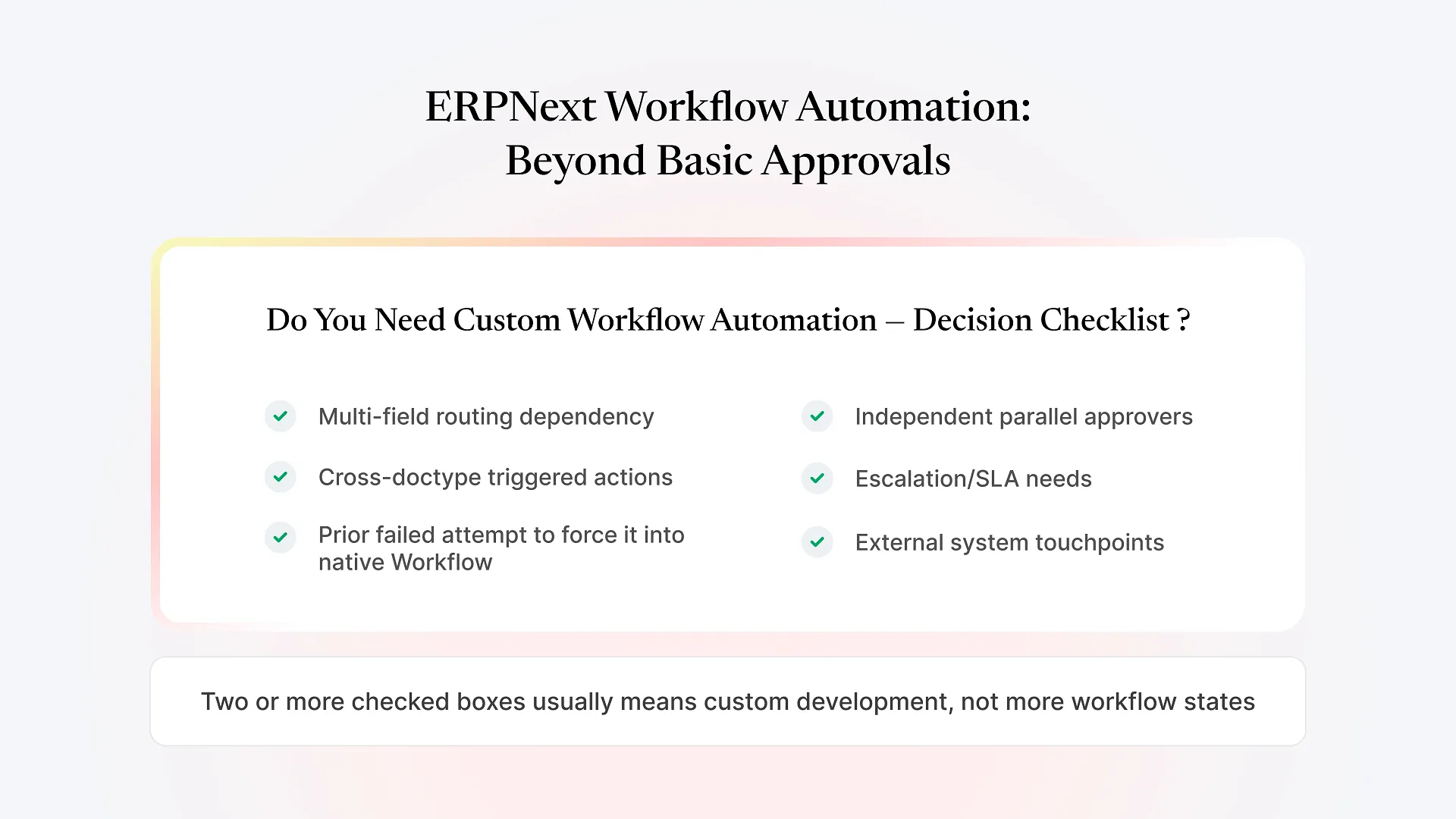
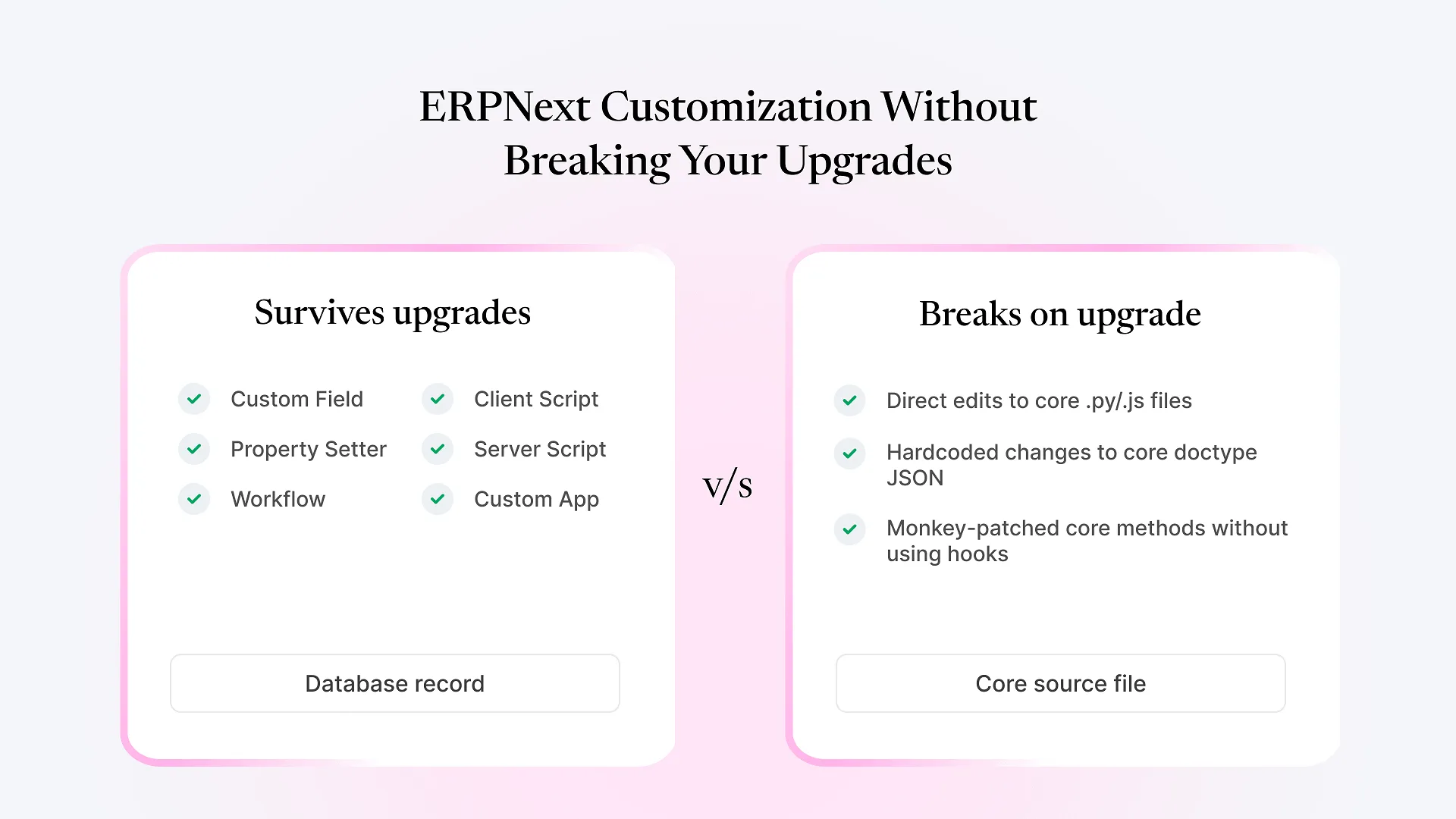
The instinct with ERP customization is often to add fields, workflows, and scripts onto existing ERPNext doctypes until the system does what you need. That approach has real limits. Past a certain point, layering enough customization onto a standard module makes upgrades riskier and the system harder to reason about — you’re bending a generic tool rather than building the tool your workflow actually calls for.
Custom Frappe app development is a different move: instead of stretching ERPNext’s built-in modules to cover a workflow they weren’t designed for, you build new applications on the same framework, purpose-fit to the process, that still integrate cleanly with your existing ERP or business systems — in this case, Microsoft Dynamics 365. That’s a genuinely different category of work from standard ERPNext implementation, and it’s worth being clear-eyed about which one your business actually needs before committing to either path.
This won’t be the right call for every business. If your ordering, production, and fulfillment processes already map reasonably well onto standard modules, custom development adds cost and complexity you don’t need. It’s the right call when — as with this food brand — the operational reality genuinely doesn’t fit the standard shape, and forcing it to would mean permanent workarounds instead of a system that matches how the business runs.
Frequently Asked Questions
Ready to See If This Fits Your Business?
If your ordering, production, or fulfillment process keeps needing manual workarounds because no off-the-shelf system quite matches how you operate, that’s the same gap this case study addresses. Discuss your custom workflow with Aavatto and find out whether a custom Frappe application — or a lighter customization — is the right fit before you commit to either.